Phosphate Flame Retardants
- Product
- Dimethyl Methylphosphonate DMMP
Overview
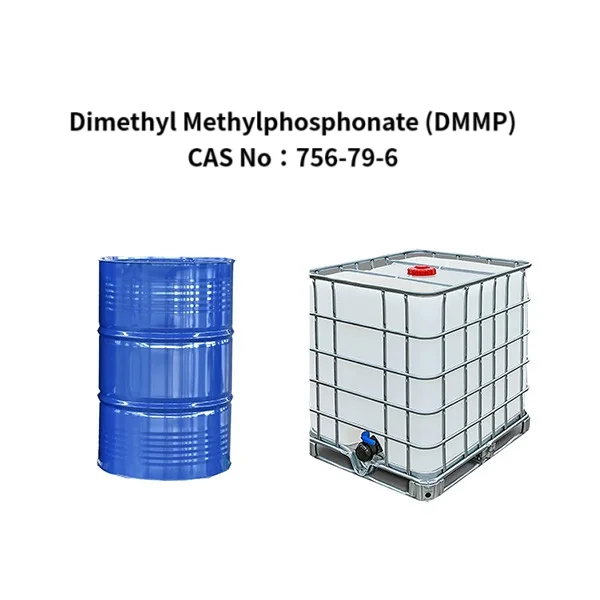
Dimethyl Methylphosphonate DMMP is an organophosphorus compound (chemical formula C₃H₉O₃P, CAS No. 756-79-6) widely used as a high-efficiency flame retardant, plasticizer, and solvent. Due to its low viscosity, excellent thermal stability, and strong flame suppression properties, DMMP is a preferred additive in polymers, coatings, and textiles. It is also used in the preparation of β-ketophosphonates from esters.
Also known as
DMMP Flame Retardant
CAS number
756-79-6
Molecular weight
124.08
Molecular formula
C3H9O3P
Specifications
| Test Items | Specifications |
|---|---|
| Appearance | Colorless transparent liquid |
| Content /% | ≥98 |
| Water content /% | ≤0.1 |
| Phosphorus content /% | 25 |
| pH | ≤10 |
| Viscosity (25℃) /mPa·s | 1.75 |
| Density /(g/cm³) | 1.16 |
Key properties of DMMP
- Exceptional Flame Retardancy – Works via gas-phase radical quenching and char formation.
- High Thermal Stability – Stable up to ~200°C, making it suitable for engineering plastics.
- Low Viscosity & Good Solubility – Easily blends with resins, polyols, and solvents.
- Low Toxicity (Compared to Halogenated FRs) – Safer alternative to brominated flame retardants.
- Hydrolytically Stable – Resists degradation in humid environments.
Applications
Dimethyl methylphosphonate is an organic compound with the chemical formula C3H9O3P. It is widely used as an additive flame retardant for polyurethane foam plastics, polyurethane resins, epoxy resins and other materials. It can also be used as an intermediate in organic synthesis, a rare metal extractant, etc.
1. Flame Retardant in Polymers & Foams
- Rigid & Flexible Polyurethane Foams (furniture, insulation)
- Epoxy Resins (circuit boards, composites)
- Polyesters, Acrylics, and Nylon
2. Additive in Coatings & Adhesives
- Fire-resistant paints, varnishes, and sealants
- Aerospace & automotive coatings
3. Textile Treatment
- Flame-retardant finishes for fabrics, carpets, and military uniforms.
4. Gas Turbine & Hydraulic Fluids
- Prevents fire hazards in industrial lubricants.
5. Chemical Intermediate
- Used in synthesizing other phosphorus-based flame retardants (e.g., DEEP, TCPP).
Safety and environmental considerations
1. Toxicity & Handling
- Low acute toxicity (LD50 ~5,000 mg/kg, oral rat) but may cause eye/skin irritation.
- Not a strong neurotoxin (unlike TCP), but proper PPE (gloves, goggles) is recommended.
2. Environmental Impact
- Moderate biodegradability (not highly persistent).
- No bioaccumulation risk (low logP value).
3. Regulatory Status
- REACH (EU): Registered, no major restrictions.
- EPA (USA): Listed but not classified as a hazardous air pollutant.
- RoHS/UL Certified: Acceptable in electronics and construction materials.
Comparison with other flame retardants
| Property | DMMP | TCPP | TCEP | Antimony Trioxide |
|---|---|---|---|---|
| Mechanism | Gas-phase radical quenching | Condensed-phase charring | Gas-phase inhibition | Synergist (halogen systems) |
| Thermal Stability | ~200°C | ~220°C | ~180°C | >600°C |
| Toxicity | Low | Moderate | High (carcinogen) | High (lung irritant) |
| Common Uses | PU foam, coatings | Insulation foam | Adhesives, textiles | Plastics, electronics |
Advantages of DMMP
- Highly effective at low loading (5-15% in formulations)
- Excellent compatibility with polyols & resins
- Low viscosity & easy to process
- No halogen content (eco-friendly alternative)
Disadvantages
- May plasticize polymers (reduces rigidity in some cases)
- Not suitable for very high-temperature applications (>200°C)
Packaging
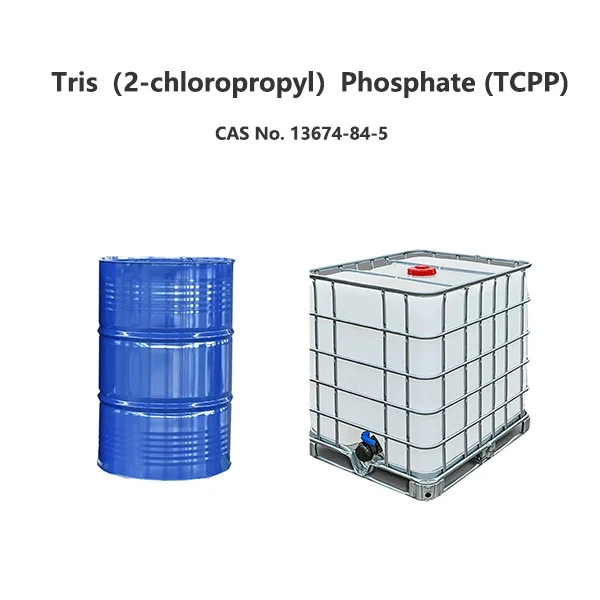
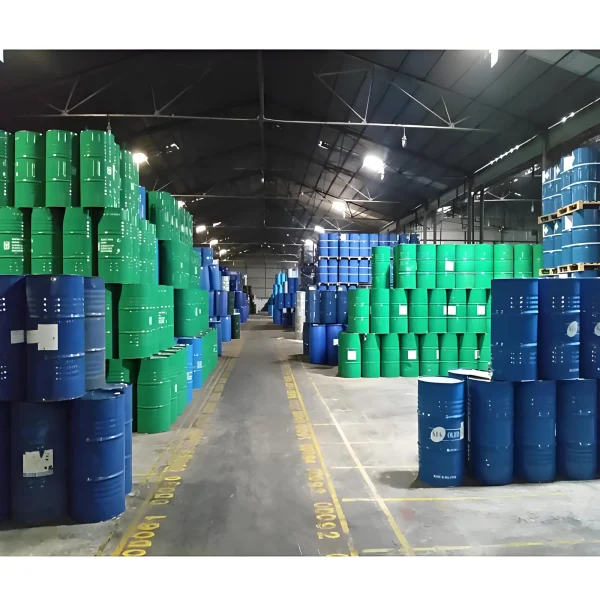
250 kg/drum; 1250 kg/IBC; 25 mt/iso-tank; 25 mt/flexitank.
Storage
It should be stored in a dry, clean, well-ventilated environment; avoid exposure to light and heat.